


Why Is Inactive Yeast Used in Lactation Products?
The Science Behind a Popular Breastfeeding Ingredient
If you’ve spent any time looking into foods or supplements that support breastfeeding, you’ve probably come across one ingredient again and again: inactive yeast.
It’s found in homemade lactation cookie recipes, breastfeeding smoothies, specialised nutritional drinks and many commercially available lactation products.
But unlike some herbal galactagogues, inactive yeast doesn’t have a long list of bold claims attached to it.
So why is it included so often?
The answer lies not in what inactive yeast does to breast milk directly, but in what it offers the mother.

What Is Inactive Yeast?
Inactive yeast is typically produced from Saccharomyces cerevisiae, the same species of yeast used in baking and brewing.
The difference is that inactive yeast has been gently heat-treated after cultivation. This process deactivates the yeast, meaning it is no longer alive.
Unlike baker’s yeast, inactive yeast:
- cannot ferment
- cannot make bread rise
- cannot continue growing
- is consumed purely as a food ingredient
Although the yeast cells are no longer living, they retain many of their naturally occurring nutrients, making inactive yeast one of the most nutrient-dense ingredients available for food fortification.

Why Is It Associated With Breastfeeding?
One of the biggest misconceptions surrounding inactive yeast is that it directly “creates more milk.”
Current scientific evidence doesn’t support that conclusion.
Instead, inactive yeast is thought to support breastfeeding by helping mothers meet the increased nutritional demands of lactation.
That might sound less exciting than claiming it “boosts milk supply”, but it’s actually far more interesting.
Breastfeeding is one of the most metabolically demanding stages of life.
Producing breast milk requires additional energy, protein, vitamins and minerals every single day. In fact, during the first six months of exclusive breastfeeding, many mothers require approximately 330 to 400 additional calories per day, depending on their individual circumstances.
When nutritional intake falls short, the body prioritises milk production wherever possible, often at the mother’s own expense. Fatigue, poor recovery and nutrient depletion can become very real challenges.
Supporting maternal nutrition therefore becomes an important part of supporting the breastfeeding journey.
This is where inactive yeast enters the picture.
A Tiny Ingredient Packed with Nutrition
Although inactive yeast is used in relatively small amounts, it naturally contains a wide range of nutrients that are valuable during lactation.
🟡 B Vitamins
Inactive yeast is particularly well known for its naturally occurring B vitamins.
These include:
- Thiamine (Vitamin B1)
- Riboflavin (Vitamin B2)
- Niacin (Vitamin B3)
- Pantothenic Acid (Vitamin B5)
- Vitamin B6
- Folate
Some inactive yeast products are also fortified with Vitamin B12. These vitamins play essential roles in:
- energy production
- nervous system function
- metabolism
- red blood cell formation
- reducing tiredness and fatigue
For sleep-deprived new mothers, maintaining adequate B vitamin intake is an important part of supporting overall wellbeing.
💪 Protein and Amino Acids
Inactive yeast also provides protein, along with a broad spectrum of amino acids.
Protein supports:
- tissue repair after birth
- muscle maintenance
- hormone production
- enzyme synthesis
- normal recovery
While dietary protein doesn’t directly become breast milk protein, ensuring adequate protein intake helps mothers meet the increased demands of breastfeeding.
🛡 Beta-Glucans
One of the most researched components of yeast is a group of naturally occurring fibres called beta-glucans.
Beta-glucans have been extensively studied for their ability to support normal immune function and gut health.
Although they are not considered galactagogues themselves, supporting maternal health is another way nutrition may contribute to a more sustainable breastfeeding experience.
⚡ 🧬 Trace Minerals
Depending on how inactive yeast is produced, it may also provide minerals such as chromium and selenium.
These nutrients contribute to:
- energy metabolism
- antioxidant protection
- thyroid function
- immune health
Together, these nutrients help explain why inactive yeast has become such a popular ingredient in maternal nutrition.
"Current evidence suggests any benefit of inactive yeast is more likely related to improved maternal nutrition than a direct effect on lactation."
What Does the Research Actually Say?
This is where it’s important to distinguish between tradition and evidence.
Brewer’s yeast has been used in breastfeeding nutrition for generations, and many mothers report positive personal experiences after including it in their diets.
However, high-quality clinical evidence demonstrating that inactive yeast directly increases breast milk production remains limited.
Rather than acting as a medication or hormone, researchers believe any potential benefit is more likely to come from supporting the mother’s nutritional status.
In other words, inactive yeast doesn’t appear to “switch on” milk production.
Instead, it provides nutrients that help support the mother’s body while it carries out one of its most demanding biological tasks.
That may seem like a subtle difference, but it’s an important one.

Where Can You Find Inactive Yeast?
Inactive yeast appears in a surprising number of foods.
Common sources include:
- Nutritional yeast flakes
- Brewer’s yeast powders
- Lactation cookie mixes
- Smoothies
- Protein supplements
- Specialised lactation nutrition products
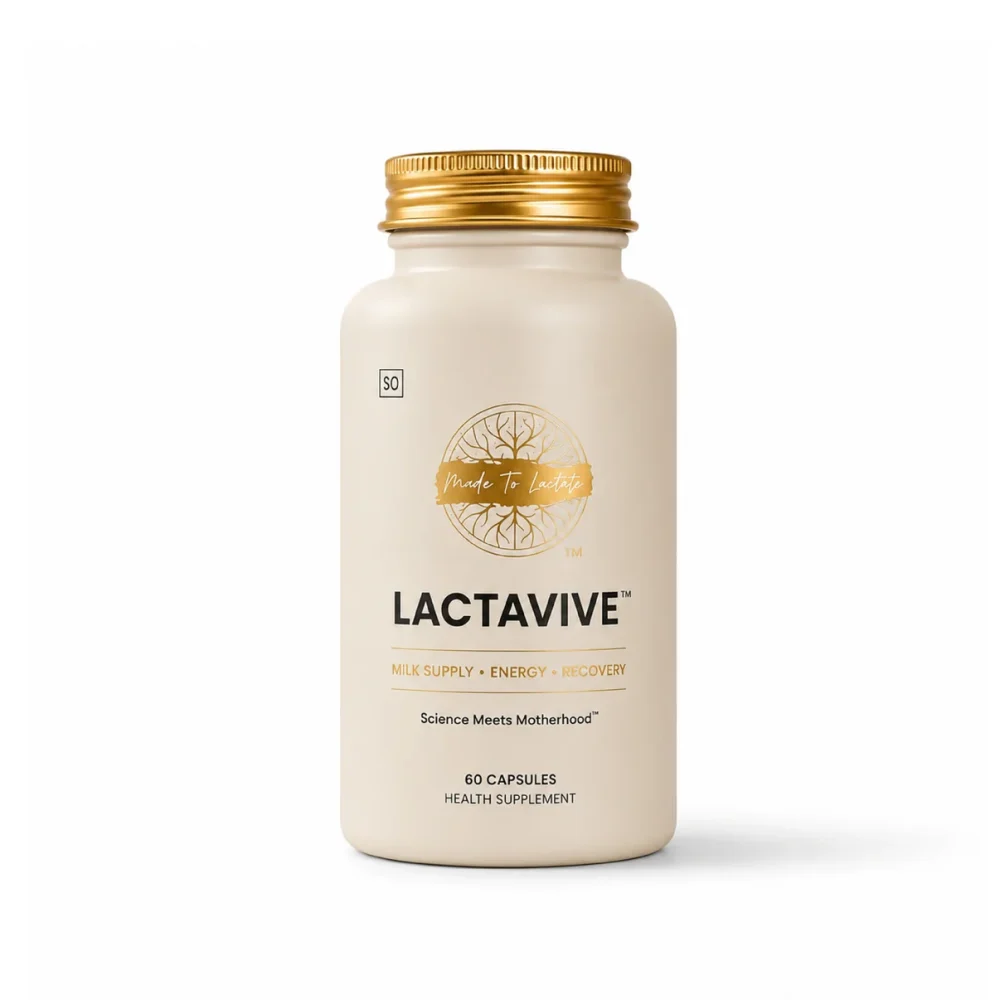
One example is Made to Lactate, a nutritional drink formulated specifically for breastfeeding mothers.
A Closer Look at Made to Lactate
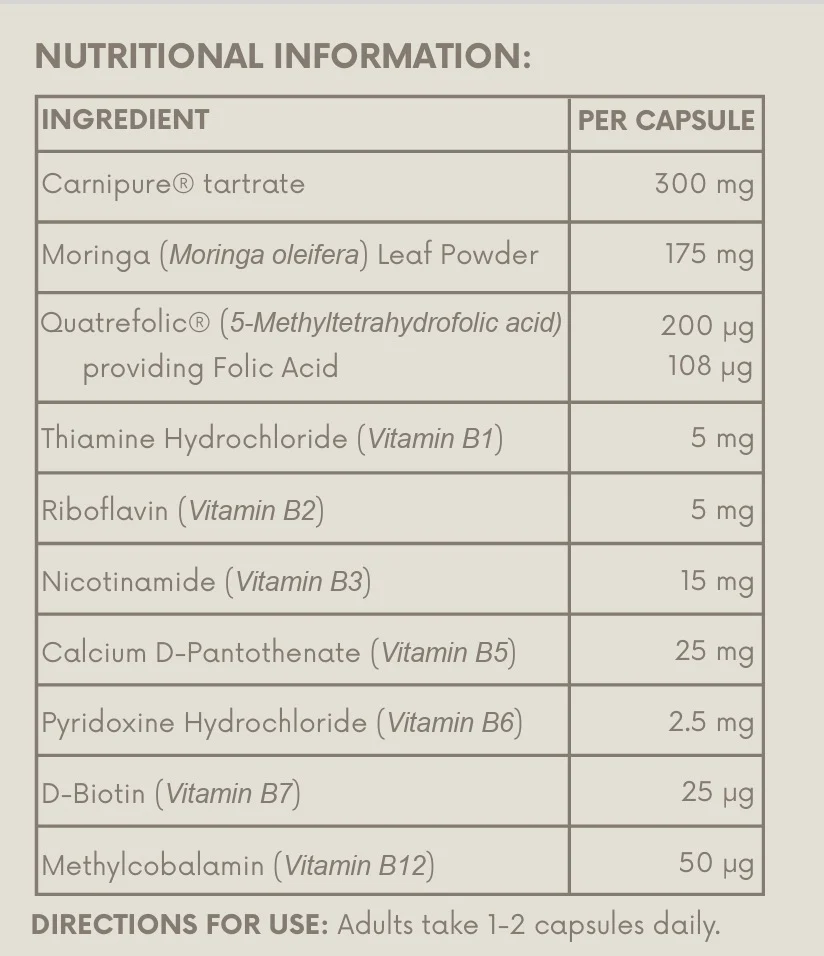
Made to Lactate is a range of specially formulated lactation drinks designed to provide breastfeeding mothers with a convenient source of nutrition during one of the most nutritionally demanding stages of life.
Rather than relying on a single ingredient, Made to Lactate combines inactive yeast with carefully selected nutritional ingredients to support mothers throughout their breastfeeding journey. Formulations vary between flavours and dietary preferences, with both dairy and dairy-free options available.
Across the range, the drinks are designed to provide nutritional support through ingredients such as:
- Inactive yeast
- Protein sources
- Carbohydrates to support energy intake
- Carefully selected flavourings
- Other nutritional ingredients, depending on the specific variety
Most servings provide approximately:
- 80 calories
- Protein (where applicable)
- Carbohydrates to support energy intake
- A source of omega fatty acids
Made to Lactate is available in formulations that are:
- Gluten free
- Fenugreek free
- Caffeine free
- Nut free
- Soya free
- Dairy or dairy free, depending on the product
- Halaal certfied
For mothers who prefer a nutrition-focused approach rather than relying on traditional herbal galactagogues such as fenugreek, Made to Lactate offers a convenient option that supports overall maternal nutrition as part of a healthy breastfeeding journey.


Why This Formulation Makes Sense
Made to Lactate isn’t relying on a single “magic ingredient.”
Instead, it brings together several nutritional components that breastfeeding mothers commonly need.
These include:
- Energy to support the increased metabolic demands of milk production.
- Protein to contribute to maternal recovery and daily nutritional requirements.
- Inactive yeast to provide naturally occurring nutrients traditionally associated with lactation nutrition.
- A warm, easy-to-prepare drink that fits into the busy reality of caring for a newborn.
That combination reflects an important principle in breastfeeding nutrition.
Successful milk production isn’t supported by one ingredient alone.
It relies on a mother’s overall nutritional status, adequate hydration, effective milk removal, sufficient calorie intake and ongoing support throughout her breastfeeding journey.

The Bigger Picture
It’s completely understandable to look for foods or supplements that promise to increase milk supply.
But breastfeeding is complex.
Milk production is influenced by:
- frequent feeding or pumping
- effective milk removal
- baby’s latch
- hormonal signalling
- maternal nutrition
- hydration
- rest
- underlying health conditions
No single ingredient can replace these foundations.
Inactive yeast has earned its place in lactation nutrition, not because it has been proven to dramatically increase milk production, but because it provides a concentrated source of nutrients that help support breastfeeding mothers during one of the most nutritionally demanding stages of life.
Final Thoughts
Inactive yeast continues to appear in lactation products for a good reason.
It offers a naturally nutrient-rich source of B vitamins, protein and other beneficial compounds that may help support a mother’s increased nutritional needs while breastfeeding.
Products such as Made to Lactate build on this concept by combining inactive yeast with protein, energy and other carefully selected ingredients in a convenient drink that fits easily into everyday life.
While no supplement can replace frequent milk removal, a good latch or personalised lactation support, nutritional products like these can form one useful part of a well-rounded breastfeeding plan. They help mothers nourish themselves while they nourish their babies.